Plastic packaging for cosmetics
8 April, 2026How to Choose Plastic Cosmetic Packaging: Trends, Materials, and Safety Requirements
Plastic cosmetic packaging from the manufacturer today performs much more than just a storage function. It affects formula stability, safety of use, filling convenience, logistics, and the consumer's perception of the brand.
This is why cosmetic packaging should be selected not only by volume or appearance but also by technical parameters: compatibility with the formulation, barrier properties, structural stability, and production scalability. Plast Mould positions itself as a plastic packaging manufacturer in Ukraine, offering buckets, containers, and other solutions adapted for various industries and packaging requirements.
Why Cosmetic Packaging is Part of Product Safety
In cosmetics, packaging is a component of the safety system, not just a marketing tool. Under European regulations, the safety of a cosmetic product is assessed alongside the packaging material, and manufacturers must consider the characteristics of primary packaging when preparing a product safety report.
Furthermore, Cosmetics Europe industry guidelines emphasize the importance of information from the packaging supplier regarding material composition, substance migration, and the suitability of the packaging for contact with a specific formula. Therefore, plastic packaging for cosmetics should be evaluated in conjunction with the formulation, not separately.
Current Trends Shaping the Cosmetic Packaging Market
The cosmetic packaging market is moving toward a combination of functionality and visual differentiation. Brands require clear and colored plastic containers that look modern, protect the product, and are suitable for mass filling. Packaging design is increasingly viewed as a brand tool rather than just a way to "beautifully present" a jar on the shelf. The Plast Mould blog highlights that packaging is a marketing tool that influences brand perception, and the plastic packaging design direction is directly linked to product positioning.
At the same time, the technical function remains vital. Protection against moisture and oxygen is crucial for cosmetics, especially if the formula contains active components, oils, or ingredients sensitive to oxidation. It is the barrier properties of the packaging that often determine how stable the product will remain throughout its shelf life.
Which Materials are Most Commonly Used for Cosmetics?
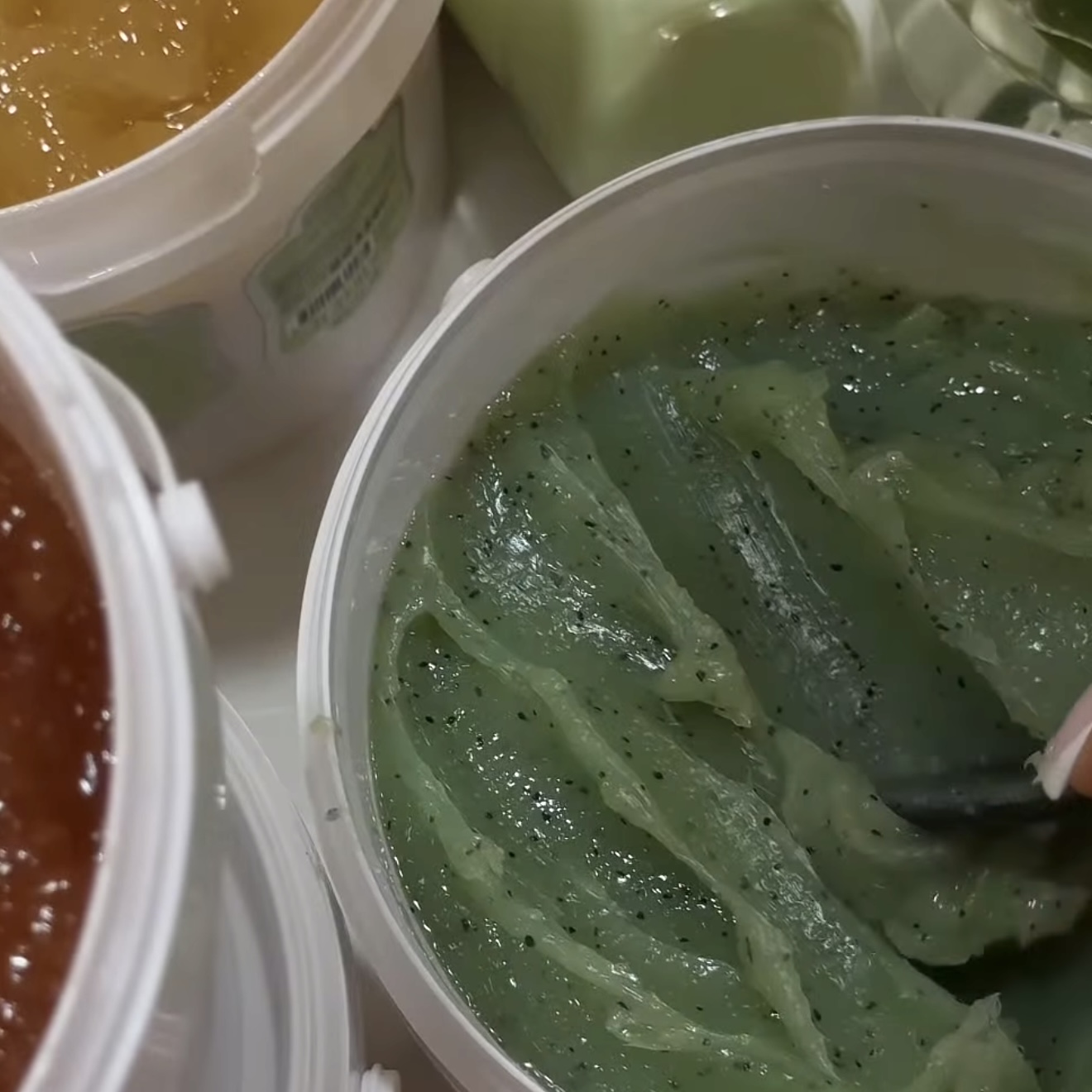
When a manufacturer selects packaging, they must evaluate the material itself, not just the shape. Chemical inertness, sufficient rigidity, resistance to deformation, and stability during storage and transportation are critical for cosmetics. This is especially important for thick textures such as masks, butters, pastes, peels, and scrubs.
Therefore, wholesale plastic cream jars or packaging for creams and scrubs must be designed not just for filling but for real-world use: repeated opening, contact with the contents, and batch transportation. Plast Mould states that its products can be adapted in terms of materials, colors, and sizes to meet customer needs.
Common Mistakes When Choosing Cosmetic Packaging
When selecting packaging, companies often focus only on appearance, volume, or cost. However, for a stable product, this is insufficient. If material compatibility with the formula, storage conditions, and usage specifics are not considered, even high-quality-looking packaging may fail in practice. That is why it is important to evaluate packaging as a functional element of the product, not just a brand carrier, before ordering.
Before launching a batch, consider the following points:
- Is the material compatible with the cosmetic formulation?
- Does the packaging provide adequate protection against moisture and oxygen?
- Is the lid airtight enough for transportation and storage?
- Can the container withstand contact with thick, oily, or active formulas?
- Is the packaging convenient for consumer or professional use?
- Can the container be adapted for custom branding?
- Does the manufacturer provide consistent quality and a certificate of conformity?
This approach helps avoid technical issues after the product launch and reduces the risk of losses during filling, logistics, and sales. Selecting plastic packaging for cosmetics should be technically justified rather than spontaneous.
Is "Food Grade Plastic" Sufficient?
The term "food grade plastic" is often perceived as a universal safety guarantee, but for cosmetics, it is not enough. Even if a material is suitable for food contact, it does not automatically mean compatibility with a specific cosmetic formula.
For categories such as pharmaceutical cosmetics, active serums, or acid-based products, substance migration and the real-world behavior of the material during shelf life are critical. Packaging should be evaluated using the logic of "formula + container + usage scenario," rather than just the polymer type alone.
Packaging for Different Cosmetic Segments
Different cosmetic segments require different packaging approaches. For craft cosmetics, small batches, a neat appearance, and flexibility in color or shape are vital. Professional cosmetology often requires larger volumes, durable lids, and ease of use in a salon setting. For brands working with large formats of masks, pastes, or scrubs, plastic containers from the manufacturer or plastic buckets from the manufacturer can be useful. This allows for adapting the packaging to the product format rather than forcing the product into a random container.
Buying Cosmetic Packaging Wholesale: What Manufacturers Should Consider
When looking to buy cosmetic packaging wholesale or find a cosmetic container manufacturer, you should look beyond the unit price. For B2B, batch repeatability, geometric stability, quality control, production lead times, and scalability are crucial. Plast Mould emphasizes parameter adaptation and flexible wholesale batches, allowing brands to build a stable production cycle with their supplier. This is especially valuable for products where both function and appearance are paramount.
Conclusion
High-quality plastic cosmetic packaging is a combination of technical compatibility, barrier properties, stable geometry, and thoughtful design. If a brand wants to launch a safe and convenient product, the packaging must be chosen as carefully as the formula. Solutions such as professional cosmetology packaging or wholesale cream jars should be evaluated comprehensively, not by a single parameter. In this approach, the packaging manufacturer becomes a technical partner to the brand, not just a supplier.