Plastic containers for pickling: types, materials and tips for choosing
13 February, 2026Pickling and fermenting foods remain popular preservation methods for both home use and professional production. That is why plastic pickling containers have become a practical and modern solution, combining convenience, durability, and safety. For businesses and end consumers, it is crucial to understand whether it is safe to pickle in plastic, which materials are secure, and what type of packaging is suitable for various products. As a plastic packaging manufacturer, "Plast Mould" offers solutions that meet food safety standards and are ideal for fermentation, storage, and transportation. High-quality food-grade plastic packaging ensures the taste, quality, and safety of products throughout the entire pickling process.
Is it safe to pickle in plastic and which plastic is suitable for pickling?
The question of whether one can pickle in plastic is one of the most common among consumers. The answer is a definitive yes, but only if high-quality materials are used. Exclusively food-grade plastic is used for pickling, as it does not react chemically with salt, brine, or organic acids. Polypropylene (PP) is considered the best choice — it is durable, temperature-resistant, and safe for food contact. This material is used in the production of plastic pickling containers that comply with sanitary regulations. Such safe food-grade packaging is suitable for both home fermentation and industrial use.
Types of plastic containers for pickling and fermentation
A variety of shapes and volumes allows you to choose the optimal container for pickling depending on your needs. For different types of preserves, specialized plastic pickling tubs are used to ensure airtightness and ease of use. Before choosing, it is important to consider the type of product, its volume, and storage conditions, as food-grade pickling containers must be not only spacious but also reliable.
Types of plastic containers for pickling and fermentation:
- Cabbage pickling containers — usually large tubs or buckets suitable for the long-term fermentation process.
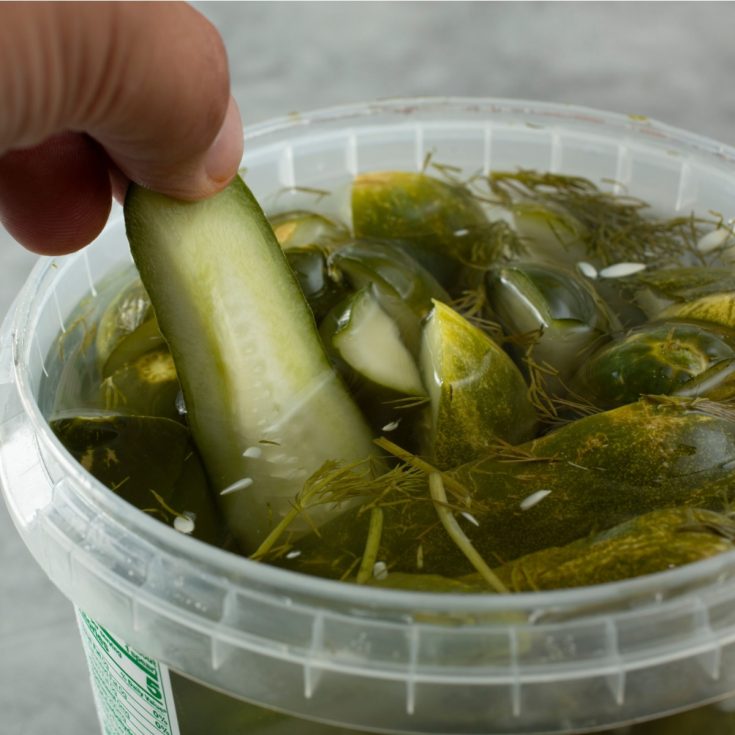
- Cucumber pickling containers — durable plastic containers that can withstand the pressure of the brine.
- Tomato pickling containers — bins with easy access and a tight-fitting lid.
- Containers for fermented foods and vegetable fermentation vessels — optimal for fermentation without losing flavor. For packaging small batches, plastic cups are often used, as they are convenient for transportation and storage.
With the right container, the pickling process becomes controlled and safe at every stage, regardless of the volume or type of product. Plastic fermentation vessels help maintain stable conditions, protecting the preserves from external odors, moisture, and unwanted impurities. Due to the strength and chemical resistance of such packaging, the natural taste of the products is preserved, and the fermentation process occurs evenly without risking quality or safety.
Advantages of food-grade plastic packaging from the manufacturer
By choosing pickling containers directly from the manufacturer, the buyer gains quality control and confidence in the origin of the material. Food-grade plastic packaging from "Plast Mould" is made from certified polypropylene, which guarantees safety and durability. For businesses, a significant advantage is wholesale plastic pickling containers, which allow for cost optimization. Furthermore, safe plastic packaging for pickling does not absorb odors, is easy to clean, and is suitable for reuse. This is why such containers are widely used in farming, restaurants, and food production facilities.
Which container is suitable for pickling: practical tips
To clearly understand which container is suitable for pickling, several important criteria must be considered, as they affect both the convenience of the process and the safety of the final product. Pickling and fermentation create a harsh environment due to salt and acidity, so the container must withstand long-term contact with brine without losing its properties. Proper selection of material, shape, and manufacturer ensures that food-grade containers will be safe, durable, and suitable for both home and professional use.
Practical tips:
- Material — the key criterion is food-grade plastic labeled PP, which does not react with salt and acids.
- Shape and volume — containers for pickling vegetables should correspond to the amount of product to avoid deformation or overflow.
- Airtightness — especially important for fermentation vessels, as it affects the stability of the process.
- Source — purchasing directly from a trusted supplier guarantees quality and safety.
The final choice of packaging should be made considering all the factors mentioned, as they determine the success of the pickling process. The most reliable solution is cooperation with a proven supplier, such as a plastic packaging manufacturer that is responsible for material quality and production control. This is why many clients choose plastic buckets from the manufacturer for filling, ensuring safe and practical packaging for various volumes and product types.
Conclusion: a reliable solution for pickling and fermentation
In conclusion, it is safe to say that plastic containers for pickling made of polypropylene are a modern, safe, and practical solution. They are suitable for home preserves and professional use, ensuring stable product quality. High-quality pickling containers from "Plast Mould" provide proven safe food-grade packaging that meets standards and the real needs of both businesses and consumers.