Requirements for Plastic Packaging on Automated Filling Lines: Key Specifications and Selection Criteria
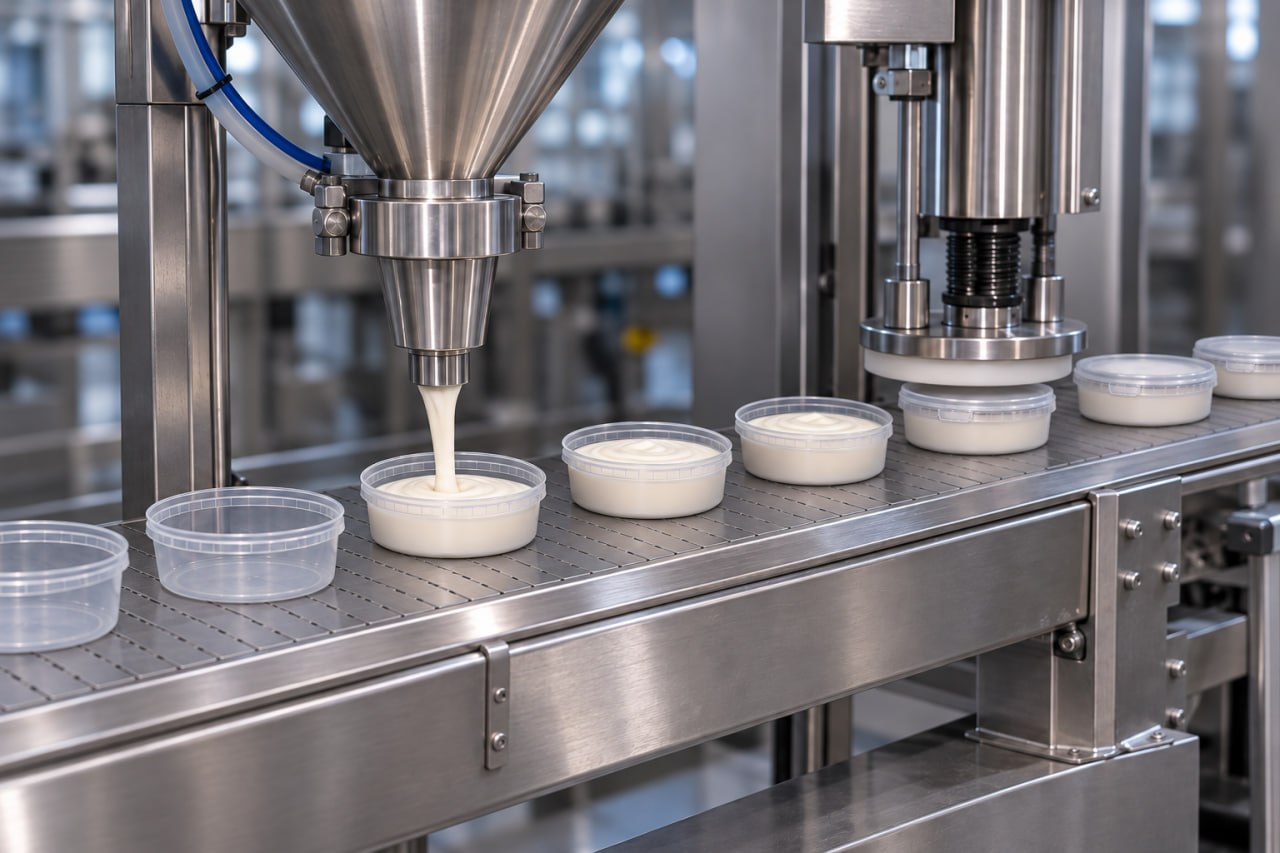
23 November, 2026On an automated line, packaging must pass consistently through feeding, dosing, closing and transfer between stations. Containers for automated filling lines must perform reliably at every stage. Requirements for plastic packaging therefore extend beyond capacity and appearance. Even small differences in height or shape can affect alignment, while an overly flexible body may interfere with grippers. Before purchasing, compare the container design with the actual equipment, not just catalogue specifications.
Which Container Parameters Belong in a Purchasing Specification?
A technical specification starts with the product type, nominal capacity and filling conditions. Next, record external dimensions, neck diameter or shape, body height and the position of contact surfaces. State how containers will enter the line: nested in stacks, as individual units or pre-oriented. When comparing plastic containers, check not only their shape but also whether they can be separated and fed automatically. Agree on all parameters with the equipment technician.
Dimensions, Tolerances and Shape Consistency Across a Batch
Machine operation depends not only on nominal dimensions but also on dimensional tolerances at each critical point. Variation in base width affects guides, rim height affects positioning under the dispenser, and neck dimensions affect lid application. Check geometric consistency across several samples rather than relying on a single drawing. Tolerances must match the capabilities of the line; no universal values suit every machine. The measurement report should specify each inspection point and test method.
Mechanical Stability and Container Behaviour Along the Line
Plastic containers for filling lines must retain their working shape during conveyor movement, stops and restarts. Check the stability of empty containers on their bases and whether they can be fed without tilting. Filling changes the centre of gravity, so repeat the assessment at the actual product weight. Wall rigidity matters for grippers and guides, but excessive pressure can deform even a suitable container. Run tests at the line's actual operating speed.
Also assess how containers accumulate before stations and behave on turns. If a body slips, tilts or catches on adjacent units, its shape must be coordinated with the conveyor. Plastic buckets may be considered for larger fills, but compatibility of handles, lids and dimensions with the machinery must be verified rather than assumed. Base surface condition and the absence of protrusions at contact points also matter. Test results indicate whether to change the container or adjust the guides.
How to Match Lid Specifications to the Closing Operation
Plastic packaging specifications must be assessed together with the actual lid and application method. The body rim must fit the lid's seating surface, while the feeding mechanism must suit the lid's shape and orientation. Press-on lids need even contact around the perimeter; threaded lids require compatible profiles and an agreed tightening setting. Capping must not damage the rim or deform a filled container. Assess closure quality separately from leak resistance.
Checking Closing Force and Equipment Compatibility
Determine closing force for the specific body-and-lid pair and machine settings. Excessive pressure can deform the edges, while insufficient force can leave the lid partially seated. Check repeatability, component integrity and ease of subsequent opening across samples. If threaded closure is used, agree on torque control with the lid manufacturer. After changing formats, recheck alignment and stable operation of the capping station.
How to Accept Trial and Production Batches
Plastic packaging selection criteria must translate into measurable acceptance requirements. A trial batch is needed to test feeding, filling, closing and discharge of finished units. Define who records interruptions and which defects are critical: jams, tipping, body deformation or incomplete closure. Incoming inspection of production deliveries should be based on an approved sample and test record. Collect test data directly on the operating line.
Before approving delivery, record the main criteria:
- Geometry — measured dimensions and tolerances match the approved specification;
- Feeding — containers are separated, oriented and transported without recurring failures;
- Filling — the body remains stable and product does not contaminate the lid application area;
- Closing — the lid seats without damage and results are consistent across batch samples.
After the trial run, agree on a sample size for incoming inspection of future deliveries. If the supplier changes the material, mould or lid design, assess the effect on the process. Acceptance should not rely on visual inspection of a single unit: some problems appear only during automatic feeding. Specify who decides whether to hold a batch and repeat testing. This procedure reduces the risk of unapproved changes between trial and production packaging.
What Equipment and Product Data Should Be Shared with the Packaging Manufacturer?
To select a suitable product, the supplier needs the dispenser type, feeding method, guide dimensions, gripping method and capping station type. Provide drawings of the working areas and specifications of containers already handled reliably by the machine. Line throughput, product condition during dosing and filling temperature also matter if temperature affects the material. Plastic cups can be compared for portion-sized packs, but the chosen model must be tested on the equipment. Capacity alone does not establish compatibility.
Also tell the manufacturer the actual fill weight, labelling requirements, storage method and transport packaging. Settling and dust generation matter for dry products; for viscous products, cleanliness around the lid after dispensing is important. If the buyer has suitable container samples, provide them along with photos of problematic operations. Use this information to agree on critical specifications and the scope of testing. Make a final compatibility decision only after running representative samples.